
How to Choose a GMP-Compliant Cart for Life Sciences Manufacturing: What Teams Should Evaluate

Digital systems now underpin many life sciences manufacturing workflows. Electronic batch records, manufacturing execution systems (MES), laboratory information systems and digital quality platforms now support production workflows across regulated facilities.
Many life sciences organisations invest heavily in these digital manufacturing platforms. Yet the physical infrastructure operators use to access those systems inside controlled environments is often treated as an afterthought.
In practice, poorly designed workstation infrastructure can quietly introduce friction, reliability risks and usability issues that undermine otherwise well-planned digital initiatives.
Mobile workstations and cleanroom carts are the point where operators interact with digital manufacturing systems inside controlled environments. When designed correctly, they allow operators, engineers and quality teams to interact with validated systems directly where work happens. When designed poorly, they introduce operational friction, contamination risks and reliability challenges.
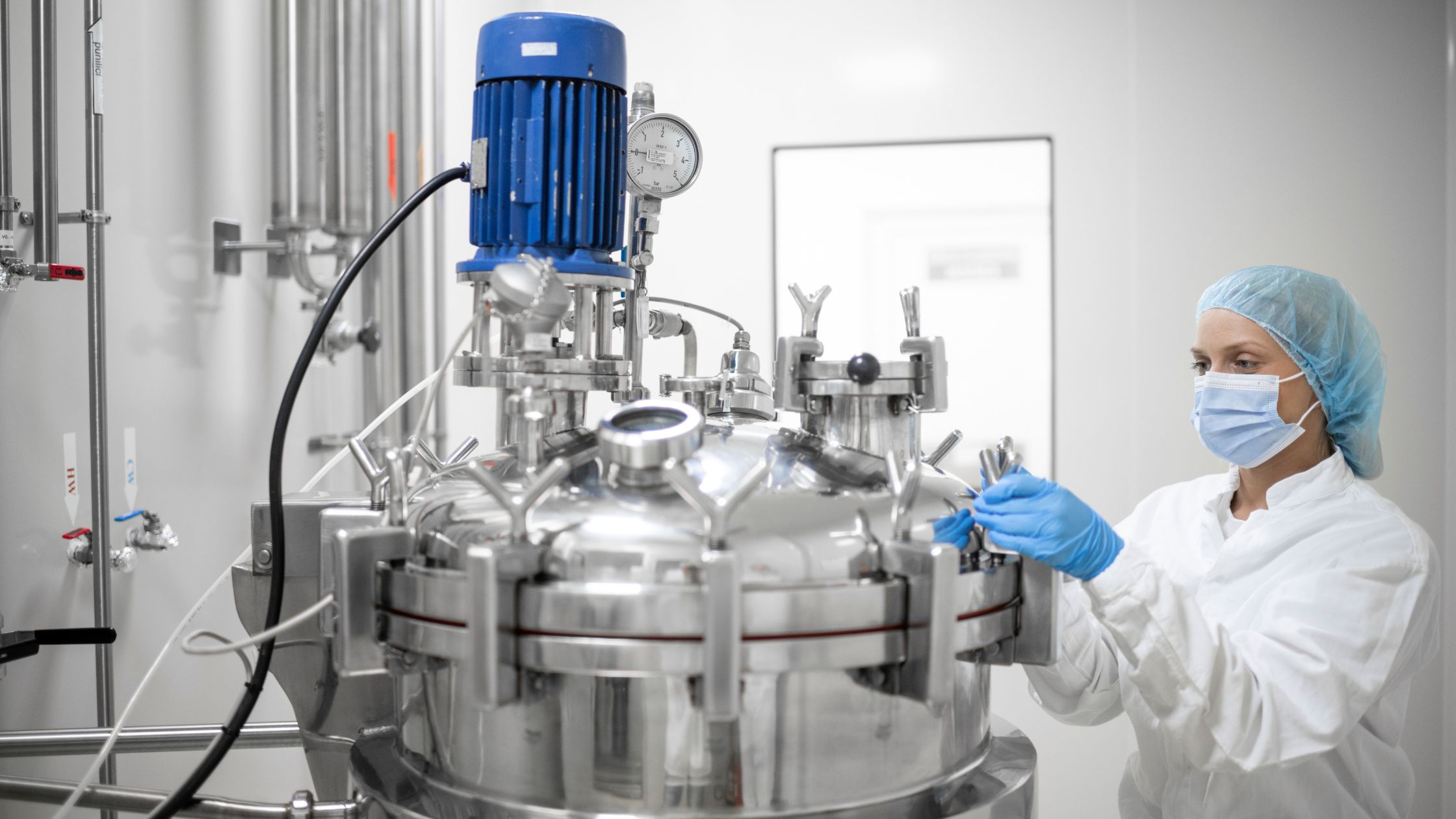
Choosing a GMP-compliant cart for life sciences manufacturing therefore requires evaluating more than mobility or computing power. In regulated environments, these carts effectively become part of the manufacturing infrastructure.
GMP Compliance in Life Sciences Manufacturing: What It Means for Equipment
Within life sciences manufacturing environments, GMP compliance extends beyond production equipment. Any device used inside controlled areas must align with regulatory expectations around cleanliness, usability and traceability.
Mobile workstations used to access digital systems must therefore support environments where:
- contamination risk must be controlled
- cleaning procedures are standardised
- equipment must withstand frequent sanitation
- operational reliability supports validated workflows
For operations and QA teams, this means evaluating whether carts support the environment rather than introducing additional compliance risk.
In many procurement processes, mobile carts are evaluated primarily on price, mobility or computing specifications. In regulated environments, this approach can overlook the operational realities of controlled manufacturing spaces — and the downstream costs that come with them.
Cleanroom Design Requirements: Surfaces, Materials and Construction
One of the first considerations for regulated manufacturing facilities is cleanroom compatibility. Workstations used within life sciences production environments must support the environmental and cleaning standards of controlled manufacturing spaces.
Typical design considerations include:
When these design factors are overlooked, equipment can quickly become difficult to maintain within GMP-controlled environments.
Validation Readiness: Supporting Regulated Digital Systems
Mobile carts increasingly support validated digital systems across life sciences facilities, including:
- manufacturing execution systems (MES)
- electronic batch records
- laboratory information systems
- quality documentation platforms
The workstation effectively becomes the physical access layer to these systems on the production floor. If that access layer is unreliable, poorly designed or difficult for operators to use, the benefits of digital manufacturing platforms may not fully materialise where work actually happens.
Validation teams typically evaluate whether the equipment:
- operates reliably during production shifts
- integrates with validated computing hardware
- can be documented as part of validated workflows
- maintains stable power during critical processes
Power interruptions or system instability can disrupt data capture and documentation, which in regulated environments may introduce compliance risks. For this reason, reliability becomes a validation consideration as much as an operational one.
Ergonomics and Usability Across Manufacturing Workflows
While compliance and validation are important, usability matters equally. Operators, engineers, and QA teams interact with digital systems throughout the manufacturing process. Poorly designed carts can introduce inefficiencies that accumulate across production shifts.
Key usability considerations often include:
1. Height adjustability
Operators working across different production tasks must be able to interact comfortably with systems during extended shifts.
2. Mobility within production spaces
Carts should move easily between production lines, documentation stations, and inspection points without disrupting workflow.
3. Compact footprint
Manufacturing environments are typically space-constrained, so carts must integrate naturally into production areas without obstructing movement.
When usability is addressed well, digital systems become easier to adopt, and operators can focus on production activities rather than equipment limitations.
Power Reliability: The Often Overlooked Dependency
As digital systems become embedded across manufacturing operations, power reliability becomes a real operational concern.
A workstation losing power during batch documentation or deviation logging can interrupt production workflows and delay critical documentation tasks. In regulated environments, interruptions to data capture may introduce operational delays and additional QA review steps.
Teams evaluating carts for life sciences environments should therefore consider:
- battery runtime across full production shifts
- battery lifecycle and replacement strategy
- charging infrastructure
- long-term power reliability
Predictable battery performance reduces workflow interruptions and helps maintain consistent access to validated systems.

Integration with Digital Manufacturing Infrastructure
Life sciences manufacturing environments rely on interconnected digital systems. Mobile workstations should integrate with:
- industrial computing hardware
- barcode scanners and other peripherals
- manufacturing network infrastructure
- digital documentation platforms
Compatibility ensures carts support digital workflows without introducing technical barriers or complexity.
Lifecycle and Serviceability in Regulated Environments
Procurement decisions for life sciences facilities must consider long operational lifecycles. Equipment used within manufacturing environments may remain in service for many years, so teams should evaluate:
- ease of component replacement
- battery replacement processes
- availability of spare parts
- manufacturer support capabilities
Equipment that is difficult to service, upgrade or maintain can introduce operational disruptions long after the initial purchasing decision. When carts are hard to maintain, downtime and maintenance costs tend to increase over time.
GMP-Compliant Cart vs Standard Industrial Cart
Many carts used in manufacturing environments were originally designed for warehouses, logistics operations or general factory settings. While these solutions may look similar at first glance, their design priorities differ significantly from equipment built for regulated life sciences production environments.
For life sciences facilities operating under GMP frameworks, choosing equipment designed specifically for controlled environments helps ensure that digital manufacturing systems remain accessible, reliable and compliant across production workflows.
Questions to Ask When Evaluating Mobile Workstations
Before committing to a solution, it's worth pressure-testing vendors on the specifics that matter most in regulated environments.
Choosing Infrastructure That Supports Digital Manufacturing
As life sciences manufacturing becomes increasingly digital, the infrastructure supporting those systems becomes more important.
Mobile workstations and cleanroom carts should be evaluated not simply as mobile computing equipment, but as part of the operational infrastructure supporting regulated manufacturing environments. The right physical access layer is what allows validated digital systems to deliver their full value on the production floor.
Designing Mobile Infrastructure for Life Sciences Manufacturing
If your team is evaluating mobile workstations for regulated production environments, Kinetic-ID can help assess which infrastructure design best supports cleanroom requirements, validated workflows and long-term operational reliability.
Speak with a solutions consultant
Frequently Asked Questions
What is a GMP-compliant cart in life sciences manufacturing?
A GMP-compliant cart is a mobile workstation designed for use inside regulated life sciences manufacturing environments. These carts support cleanroom compatibility, sanitation procedures, reliable power systems and integration with validated digital manufacturing platforms such as MES and electronic batch records.
Why are mobile carts used in life sciences production environments?
Mobile carts allow operators, engineers and QA teams to access MES systems, batch records and digital documentation directly at the point of work.
Do cleanroom carts require validation?
While the cart itself may not be validated as a system, it must support validated workflows and operate reliably within GMP environments.
What materials are used for cleanroom carts?
Stainless steel is commonly used because it supports sanitation procedures, resists corrosion and performs well in controlled environments.
How long should batteries last in life sciences workstation carts?
Battery systems should support full production shifts and maintain predictable performance over long operational lifecycles.
