

Enable Self-Administration of Medication (SAM)
Med-Side is designed to support Self-Administration of Medication (SAM) at the bedside, combining secure medication storage with monitored access and full audit logging to support patient independence within existing clinical governance.

What is Med-Side
Med-Side is a revolutionary secure medication solution designed to enable Self-Administration of Medication (SAM) at the bedside. It promotes patient independence while ensuring safety, visibility, and compliance.


Enhances visibility
%
Real-time monitoring for medication access and administration.

Empowers patients
%
Supports capable and confident patients in managing their own medication.

Improves safety
%
Secure storage with full traceability and audit trails.

Streamlines workflow
%
Reduces nursing burden and enhances pharmacy oversight.
A clinically led workflow for
safe self-administration

Integrated monitoring
%
Digital logs for compliance and safety

Guided assistance
%
Timed prompts and on-screen indicators remind patients or carers when medication is due.

Smart access control
%
Patient wristband, RFID or PIN-based authentication.

Secure design
%
Tamper-proof, patient-specific storage.

Connected data
%
Integrates with EPR, drug database and EPMA systems to maintain accurate records.

Adaptable configuration
%
Application workflows configured to hospital policy, supporting established clinical workflows.
Implementation and structure
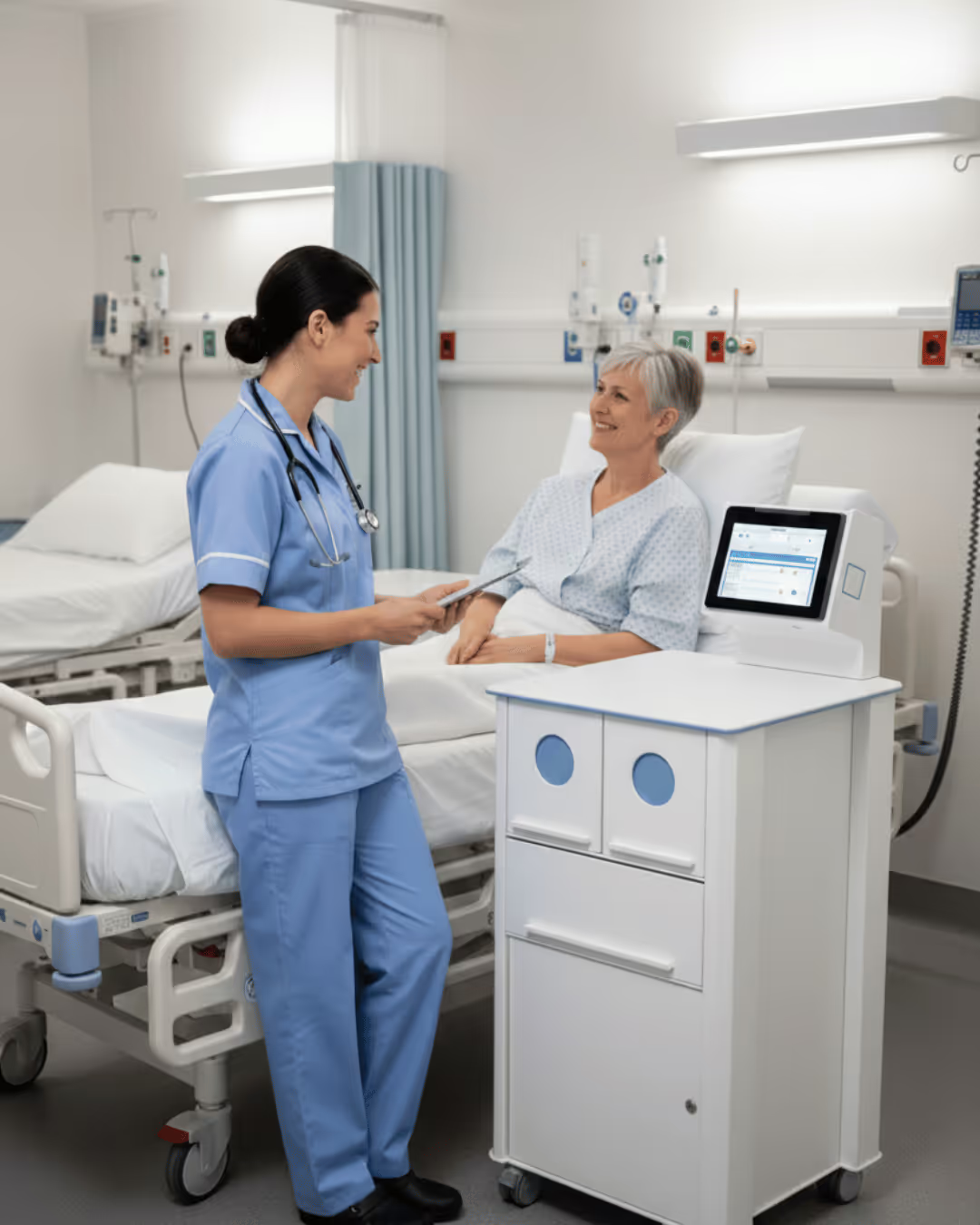
Most healthcare organisations adopt a stepped approach for SAM, typically including:
- Level 1: Nurse administration with patient observation.
- Level 2: Supervised self-administration.
- Level 3: Independent self-administration, with patients managing storage and intake.
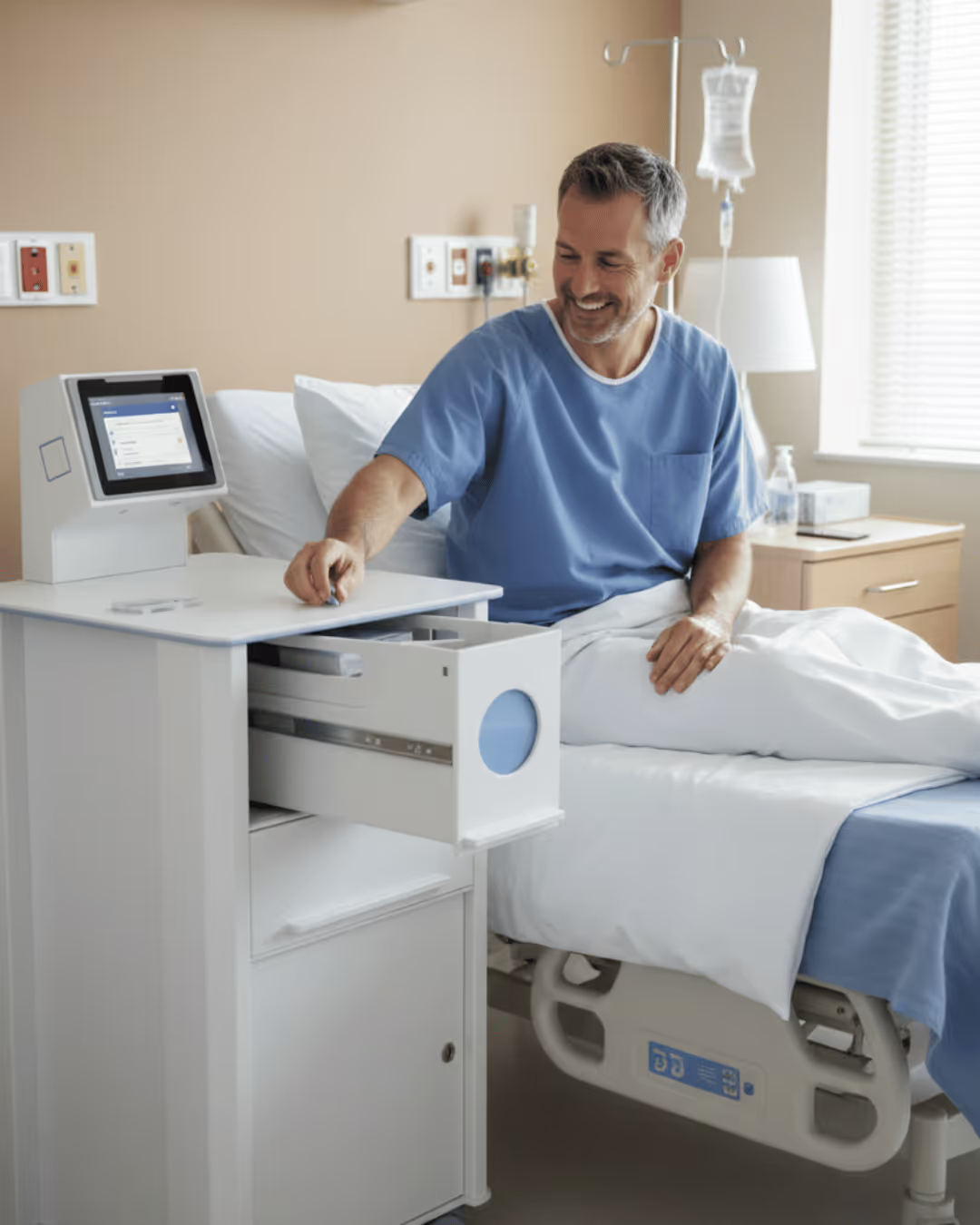
Med-Side supports the stepped down approach by providing drawers that can only be accessed by nurse teams and drawers that patient has access to when required for SAM. Ongoing assessment and support ensure suitability, adapting to patient recovery and clinical conditions. This structured approach integrates patients safely into their own care and fosters accountability.
Overall, SAM promotes patient autonomy, medication knowledge, and confidence, while supporting NHS staff with safety, efficiency, and governance, ultimately improving the quality of care and patient experience.
Benefits to Patients
SAM allows patients to maintain control over their medication, mirroring their home routine, which boosts confidence and encourages self-care competency, particularly for individuals who are already comfortable managing their medicines.
Patients are educated about their medicines—why they take them, proper timing, dosages, and potential side effects—which can enhance understanding and future compliance after discharge. Increased awareness reduces the risk of medication errors and supports long-term health outcomes.
Being directly involved in their own care contributes to a more personalised experience, allowing them to take time-critical medications (e.g., for Parkinson’s disease or diabetes) at appropriate intervals, leading to higher satisfaction.
SAM prepares patients and carers for home care by teaching safe medicines management, minimising post-discharge errors, and avoiding de-skilling or fear regarding medication handling.
Benefits for Pharmacy and Nursing
Patients who manage their own medicines are more involved in their care, which strengthens trust and communication with the pharmacy team. This engagement often leads to better adherence and fewer medication errors.
Pharmacists can focus on teaching patients about their medicines, side effects, and safe administration. This educational role positions the pharmacy as a key partner in patient empowerment.
SAM helps patients prepare for managing medicines at home, reducing post-discharge complications. Pharmacies can support this transition by ensuring patients understand their medication regimen before leaving care.
Improved adherence and confidence in medication management reduce the risk of errors and hospital readmissions. This aligns with pharmacy goals for patient safety and cost-effective care.
Pharmacists play a central role in assessing suitability for SAM and providing ongoing support. This enhances the pharmacy’s reputation as a clinical partner, not just a dispensing service.
Industry news & Insights


.jpg)
Ready to reduce risk and boost efficiency?
Get in touch with our Solutions Consultants to discuss your workflows.
